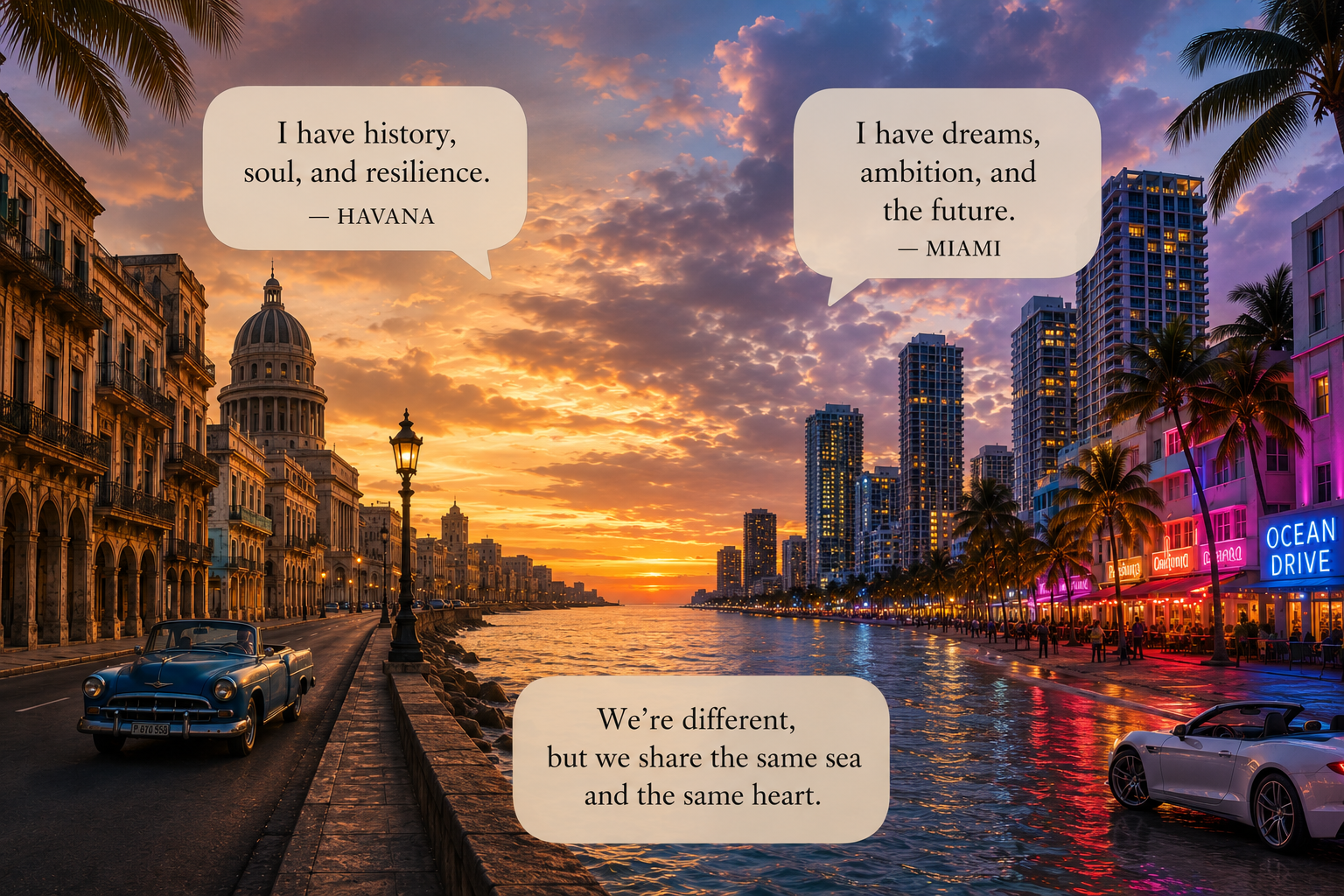
Something Is Shifting Around Cuba
"We rarely know who truly supports the regime, who fears it, who benefits from it, and who is simply surviving inside it — until the moment arrives."
Read on LinkedIn →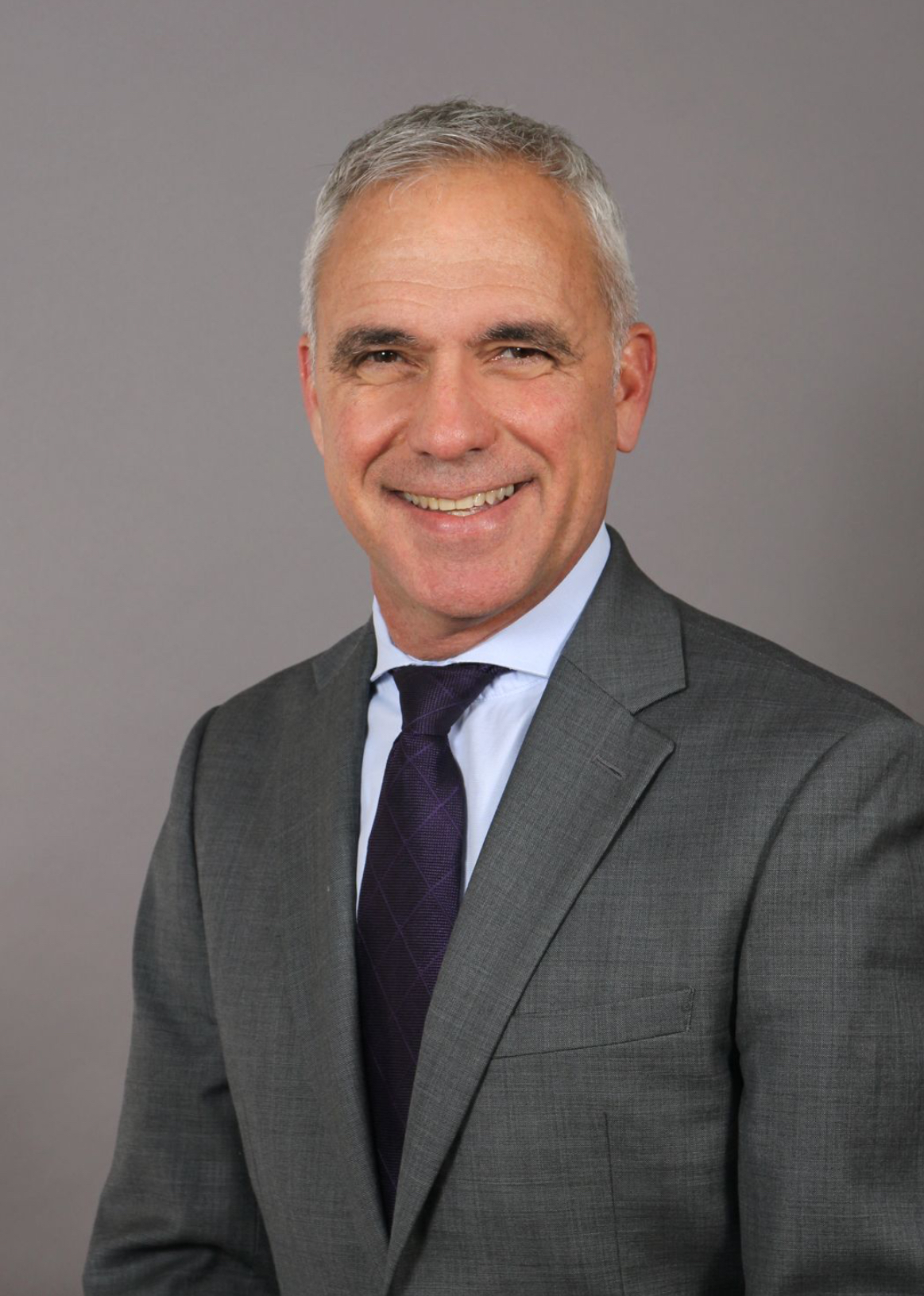
Cuba Libre — A Mediator's Perspective
I grew up in Miami as the son of Cuban refugees. My father railed against Castro every day of my life. I watched how that conflict consumed him — and I spent my career asking the question it planted in me as a child: is there a better way?
After 25 years designing peace processes in Bosnia, Kosovo, Venezuela, Afghanistan, and Ethiopia — and after a lifetime carrying Cuba in my bones — I believe the answer is yes. But it requires a conversation that most people are not yet willing to have.
This page is where I think out loud about Cuba. About what a serious, sustained transformation would actually require. About the grief that drives the Miami hardline and why revenge is not a strategy. About the accountability problem that makes the regime rational in its irrationality. About what dialogue, done properly, could make possible.
I write here as a practitioner, as a Cuban-American, and as someone who believes the window for preparation is narrower than most people realize.
If you are working on Cuba — as a researcher, practitioner, donor, or Cuban — I would like to hear from you.
Cuba Libre — Video Series
Sanctions haven't worked. Engagement didn't produce political opening. So what do we actually want — and how do we get it?
Military operations do not build peace. 60 years of suffering is not resolved by capitalism and a few guns in Havana.
Reform sanctions, lift restrictions on Americans, create a roadmap. When Cubans can communicate with the world — they will fight for their own freedom.
Three essentials — suspend judgment, don't assume, focus on root causes not symptoms.
Featured Essay
By Juan Diaz-Prinz
"The Cuban Communist Party has spent sixty years telling the world that those who oppose the revolution are traitors, gusanos, enemies of the people. We should not reproduce that logic. The debate over sanctions belongs at a negotiating table. It does not belong in a conversation about Cuban identity."
When we talk about Cuba, we talk about the island. But Cuba was also built in exile — in Miami, in Madrid, in Mexico City, in Union City. Sixty years of displacement produced a diaspora that carries the country in its memory, its grief, its politics, and its hope. To understand what reconciliation might require, we must understand both Cubas.
This essay is a mediator's reflection on what it means to belong to a divided country — and what it would take to bridge that divide without erasing either side.
Featured Writing
"We rarely know who truly supports the regime, who fears it, who benefits from it, and who is simply surviving inside it — until the moment arrives."
Read on LinkedIn →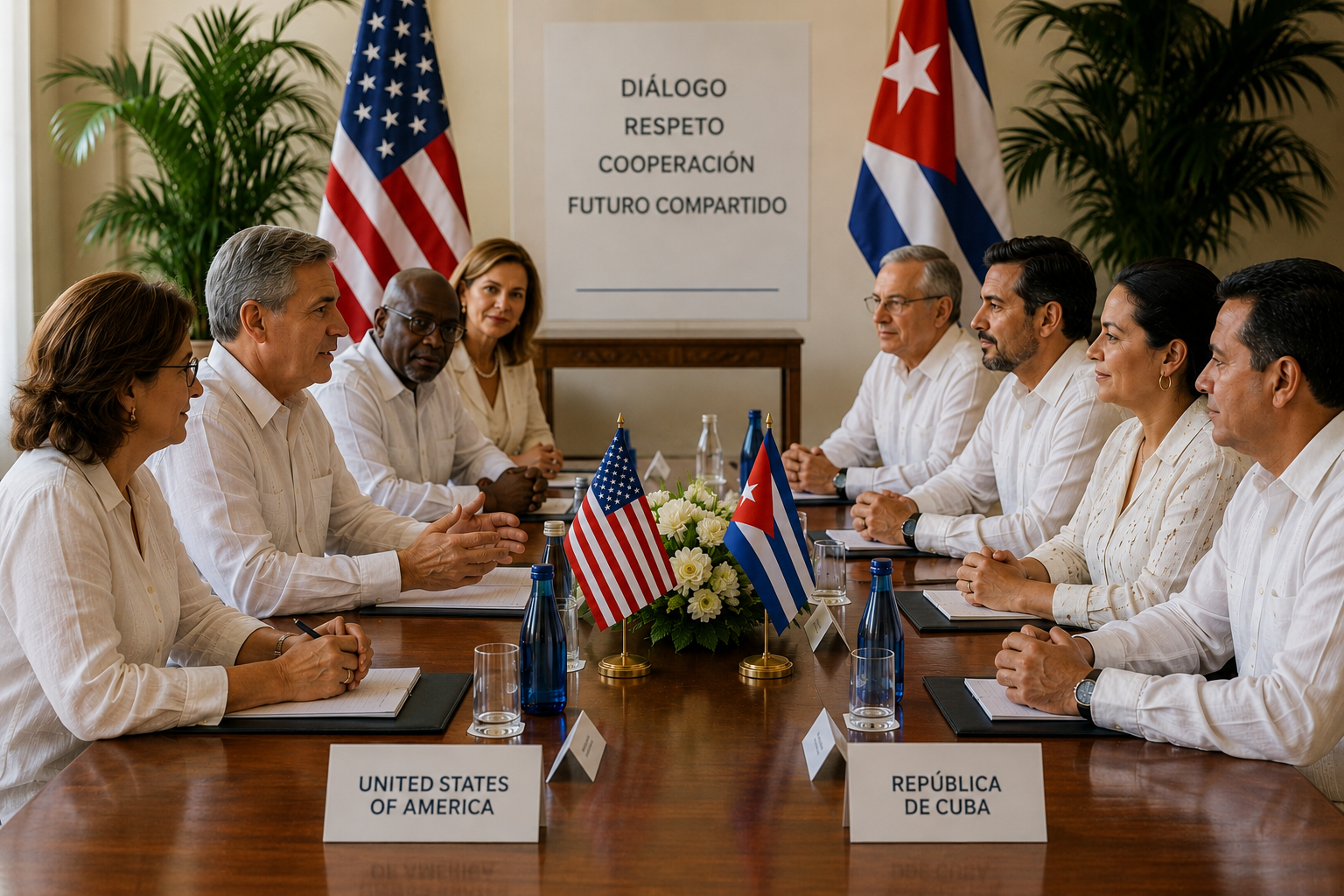
"The straitjacket held the patient in place. It did not cure anything. The tank top had no pockets. Cuba needs a guayabera — dignified, practical, and unmistakably Cuban."
Read on LinkedIn →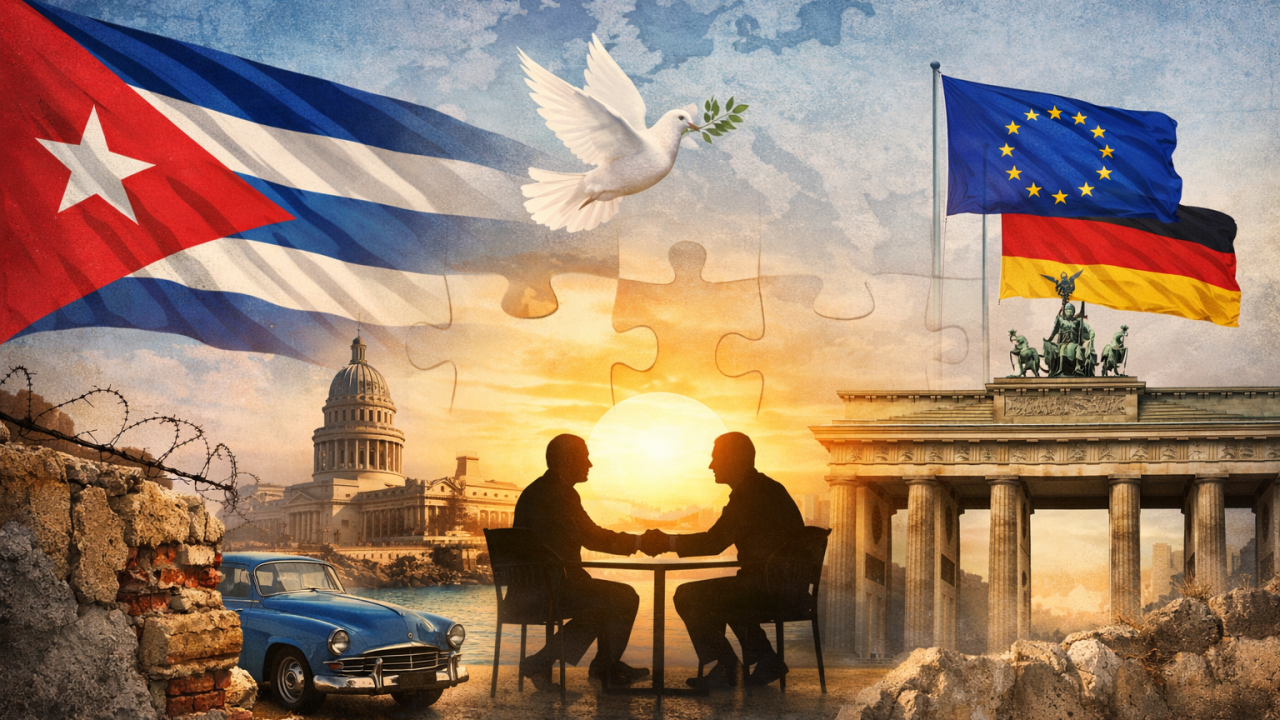
"Impartiality became avoidance. Avoidance became absence. Absence created a vacuum. That is the trap."
Read on LinkedIn →If you are working on Cuba — as a researcher, practitioner, donor, or Cuban — I would genuinely like to hear from you. This conversation is urgent and it belongs to Cubans.
diazprinz@conflictmanagementspace.org