One Conversation at a Time: A Practitioner's Handbook for Peace Mediation
Twenty-five years of field practice distilled into a working handbook for mediators, dialogue facilitators, and anyone holding difficult conversations for a living.
Juan's Thoughts
Field notes and reflections from the practice.
About Juan
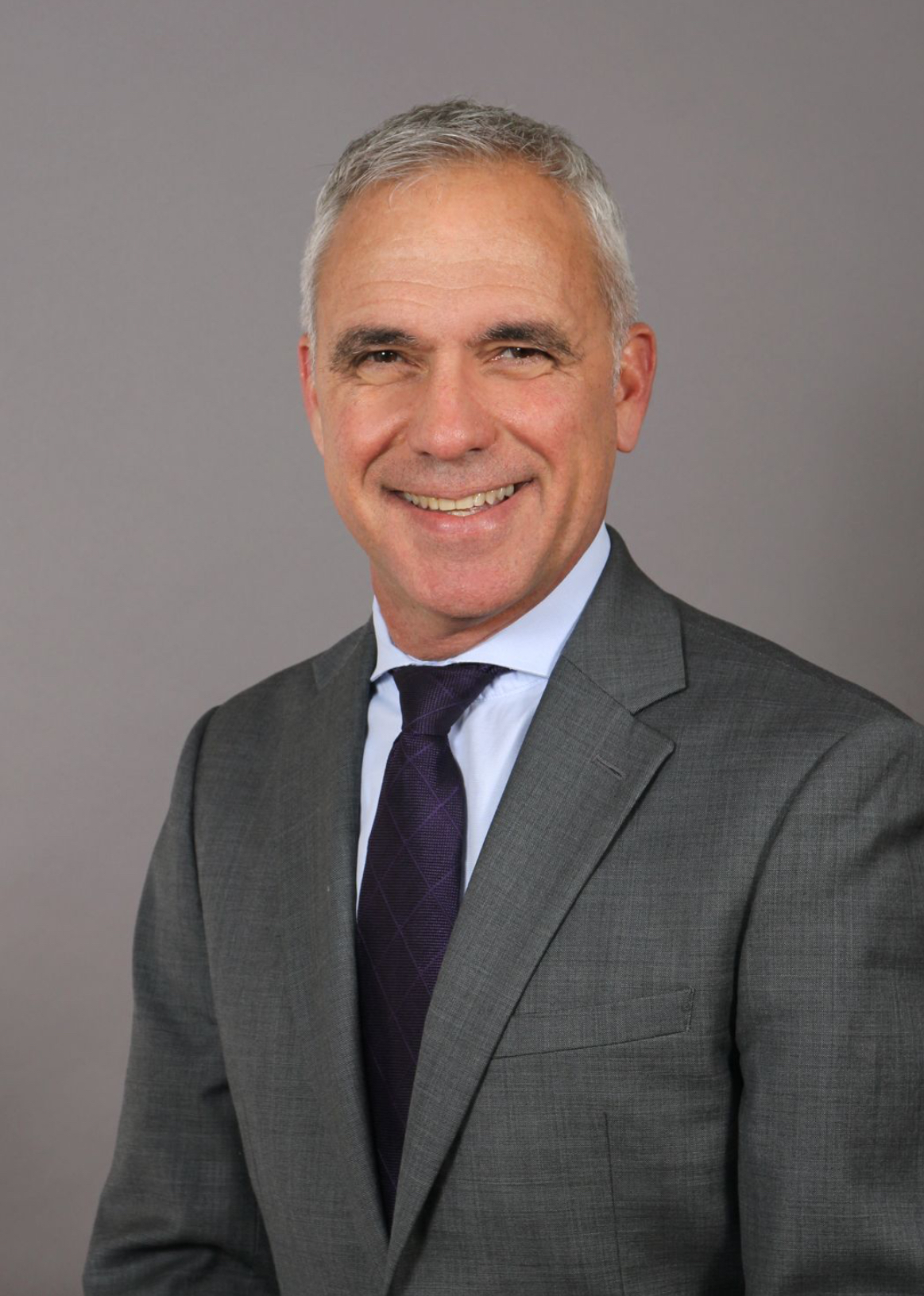
Juan Diaz-Prinz is a senior peace mediator, dialogue facilitator, trainer, and consultant with 25 years of international field experience. He has worked across communities, political processes, and practitioner education in Bosnia, Kosovo, North Macedonia, Serbia, Ethiopia, Cameroon, Iraq, Afghanistan, Ukraine, Venezuela, and Cuba. He holds a Master's in Gender and Diversity Competence and brings that lens into every process he designs.
He has served as Senior Mediation Adviser to the UN Standby Team, Senior Expert at the United States Institute of Peace, Senior Advisor at the Berghof Foundation, and Educator at the Constructive Dialogue Institute. He develops and delivers masterclasses for senior practitioners and works with universities in the United States on depolarization and constructive dialogue. He has consulted with private sector organizations on conflict management and inclusion.
He is the founder of Conflict Management Space and the author of One Conversation at a Time: A Practitioner's Handbook for Peace Mediation, forthcoming 2026.
Books
Twenty-five years of field practice distilled into a working handbook for mediators, dialogue facilitators, and anyone holding difficult conversations for a living.
Papers
An approach that brings the relational and the substantive together in one process — why separating them fails, and what it takes to hold both at the table.
Field Notes
Reflection beats reaction every time. A short note on why slowing down is the most strategic move available to you in a heated exchange — and how to practice it.
Three lessons from a decade of work across divided communities — and why the room matters more than the agenda.
June 3, 2026 · Reflection
We have become a society of triggers.
Road rage. Neighbors calling the police on each other. Social media threads that exist purely to provoke. We have reached a point where people feel they can say just about anything — especially online — without consequence.
So what do we do?
A good friend once told me something I have never forgotten: nobody got you angry. You got yourself angry. Because people trigger us when they know they can. And so they do.
I am a father of a teenager. I find myself triggered sometimes by nothing more than a look — a certain tone, a voice that goes an octave higher. If it can happen to someone who has spent 25 years in professional conflict resolution, it can happen to anyone.
Here are three things I have learned.
1. Don't react — breathe. Before you respond, center yourself. Remind yourself that you do not know what kind of day the other person is having. What triggers they have already absorbed. Whatever they are doing, they are probably not doing it to you — they are reacting to a messy world. Breathe in. Hold for a few seconds. Exhale. Let silence be a shield.
2. Listen for what is behind the words. Every message carries more than its literal content. Behind the words that trigger us there is usually a self-revelation — something the other person is feeling or fearing — and a request — something they actually need. We almost always focus on the words and miss the meaning. Before you respond, ask a question. Give the other person a chance to reflect on what they are actually trying to communicate.
3. Respond with care. The Quaker adage gives us a useful filter: is it kind, is it truthful, is it helpful? If what you are about to say does not pass all three, hold it. When you do speak — name what happened, say how it made you feel, and make a request. It does not always work. We are all human. But that is the journey.
Peace is not just something we build between communities and nations. It starts in the moments when someone gives us a look we do not like — and we choose, in that fraction of a second, how to respond.
That is where it begins.
Watch the Video
Want to go deeper? Download the Four Layers of a Message framework free at conflictmanagementspace.org/resources
Media & Appearances
Interviews, panels, webinars, and field work from two decades of practice.
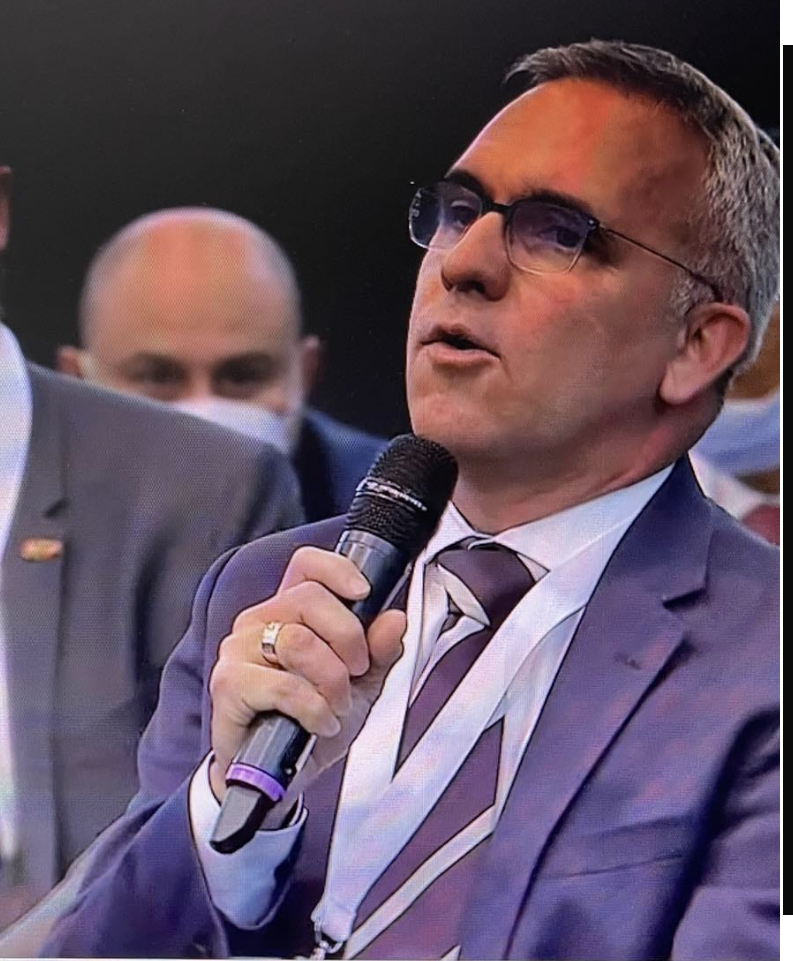
Laura interviews Dr. Juan Diaz-Prinz, senior expert on mediation and dialogue at the U.S. Institute of Peace — on bridging theory and practice, Bosnia, Berlin, and what it means to dedicate a career to conflict transformation.
Many nonviolent movements struggle with how to engage their opponents. This USIP event explores how mediation can prevent escalation toward violence, facilitate active participation of movements in peace processes, and bridge divides between movements, governments, and other stakeholders to foster durable democratic development.
True lasting peace must become a lived experience for those on the ground — not just political consensus among elite brokers. Juan Diaz-Prinz joins Bert Koenders, Annika Söder and Teresita Quintos Deles to discuss a new framework for ensuring people suffering from conflict are placed at the center of conflict resolution processes.
Dr. Juan Diaz-Prinz of the U.S. Institute of Peace joins the International Mediation Institute to discuss peace mediation — what it requires, what it looks like in practice, and what the field needs most.
Additional interviews, webinars, and online courses are being added. Follow Juan on LinkedIn for updates on upcoming sessions and new material.