The Individual at the Center
Why personal development is the foundation of organizational, community, and institutional change
Conflict Management Space
Twenty-five years of field experience in mediation, dialogue, and negotiation — turned into frameworks you can use. Everything here is free.
Start Here
A free 15-minute assessment. Discover your conflict disposition, your strengths, and where to develop next.
Take the assessment →For Practitioners
Frameworks, field cases, and practitioner guides for mediators, facilitators, and peacebuilders working in complex contexts.
Browse the library →WORK WITH ME
Process design, dialogue facilitation, and training for organisations, institutions, and teams. Twenty-five years of field experience, brought to your situation.
See how I work →LEARN WITH ME
Fifty-six free practitioner resources drawn from my own practice, plus a free conflict profile assessment. Start wherever you are.
Browse the library →The Journey
Take a 15-minute assessment that reveals your natural conflict disposition, your key strengths, and where your development edges are. No jargon — just honest, specific insight into how you engage with conflict.
Receive a personalized profile that names your conflict style, your strongest capacities, your sector fit, and the three specific challenges most worth working on. Your profile is your starting point, not a label.
Use your profile to guide your development — with targeted exercises, resources, and reflections matched to your specific challenges and goals. The work is practical, not theoretical.
For those who want to go further, work directly with one of my practitioners in a one-on-one session. Your profile means no time is wasted — we already know where you are and where you want to go.
Where direction gets set — not in the calm, but in the pressure.
The sharpest leaders know that every defining conversation, every decision that divides the room, every high-stakes negotiation is not a detour — it's the work. Navigating deliberately, not reactively. I work with people who bring the same precision to hard moments that they bring to everything else.
The Assessment
Most people have never been given an honest map of how they move through conflict. This assessment gives you one. In 15 minutes, it surfaces your natural disposition, your top strengths, where you are most likely to thrive as a communicator or practitioner, and the specific challenges most worth your attention.
The profile you receive is specific to you — not a generic type, but a combination of your unique dispositions, strengths, sector context, and self-identified development areas.
Free · 15 minutes · Your responses are confidential
Explore the Library
From active listening to peace mediation — find the resource for your situation.
Concept guides and frameworks for understanding how conflict works — dispositions, strengths, listening, reframing, negotiation, dialogue.
ExploreStructured exercises for building specific conflict skills. Each workbook contains four to six exercises matched to a core skill area.
ExploreFor anyone working with conflict professionally — in organisations, communities, and teams.
ExploreFor mediators, dialogue facilitators, and peacebuilders in complex and conflict-affected contexts — trust, analysis, process design.
ExploreReal anonymised processes from two decades of field practice — case narratives, reflection questions, and practitioner notes.
Explore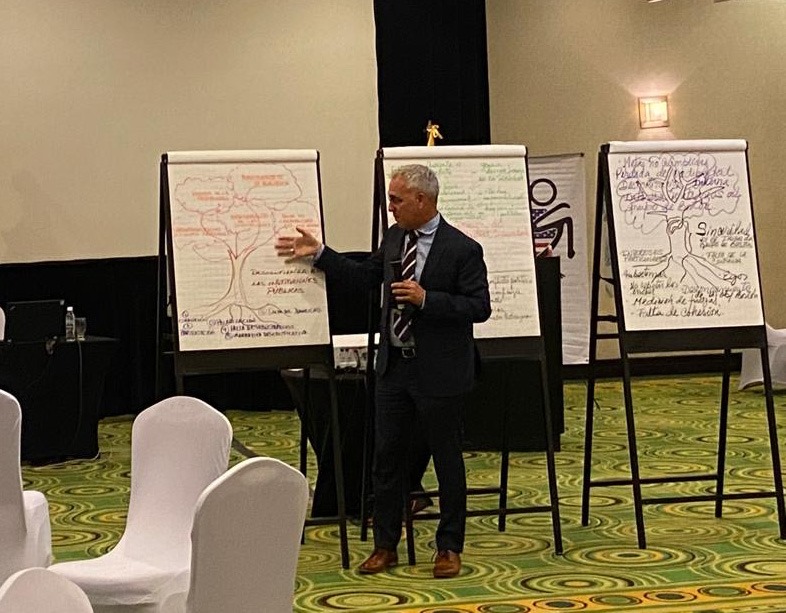
The Practice
I founded Conflict Management Space after two decades working with conflict — in communities torn apart by war, organizations navigating dysfunction, and negotiating tables where the stakes were very high. What I offer here comes from that experience, not from frameworks alone.
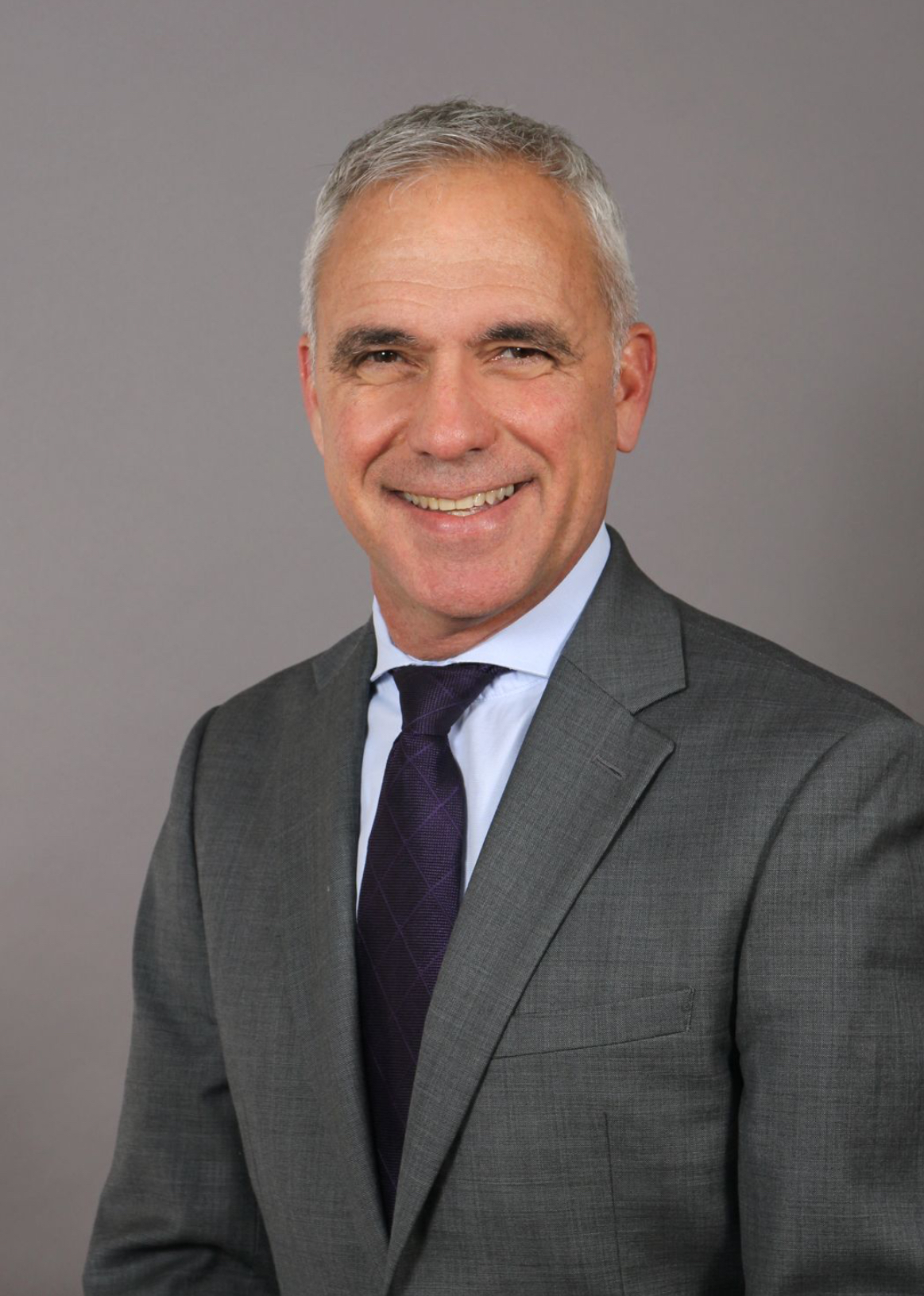
Senior Mediator · Dialogue Facilitator · Trainer · Author
Juan Diaz-Prinz is a senior peace mediator, dialogue facilitator, trainer, and consultant with 25 years of international field experience. He has worked across communities, political processes, and practitioner education in Bosnia, Kosovo, North Macedonia, Serbia, Ethiopia, Cameroon, Iraq, Afghanistan, Ukraine, Venezuela, and Cuba. He holds a Master's in Gender and Diversity Competence and brings that lens into every process he designs.
He has served as Senior Mediation Adviser to the UN Standby Team, Senior Expert at the United States Institute of Peace, Senior Advisor at the Berghof Foundation, and Educator at the Constructive Dialogue Institute. He develops and delivers masterclasses for senior practitioners and works with universities in the United States on depolarization and constructive dialogue. He has consulted with private sector organizations on conflict management and inclusion.
He is the founder of Conflict Management Space and the author of One Conversation at a Time: A Practitioner's Handbook for Peace Mediation, forthcoming 2026.
“The most important conflict skill is also the most neglected: the ability to genuinely hear someone you disagree with.”
Conflict Management Space works with a network of experienced practitioners. Additional profiles coming soon.
A Practitioner's Handbook for Peace Mediation
Juan Diaz-Prinz
Drawing on 25 years of international field experience, this handbook guides both aspiring and experienced mediators through the full arc of mediation practice: from conflict analysis and process design through dialogue facilitation, negotiation, trust-building, and implementation. Forthcoming 2026.
Follow on LinkedIn for updatesResources
Articles, reflections, and tools on communication, conflict, and the skills that make both better.
Free resources for anyone navigating conflict — from self-awareness guides to practitioner handbooks and structured practice workbooks.
Start here — the case for developing yourself as a conflict practitioner
Why personal development is the foundation of organizational, community, and institutional change
Understand your natural conflict disposition, strengths, and development path
Understand the four natural conflict styles and what each means for your development
A complete reference guide to all strength themes used in the assessment framework
How your primary and secondary dispositions combine and what that means in practice
Dialogue facilitator, mediator, and negotiator compared — find your natural fit
Core concepts and frameworks for anyone navigating conflict
The single most important distinction in conflict work and how to apply it
How to transform destructive language into forward-looking conversation
What active listening actually requires and five practices to build it deliberately
A six-step framework for approaching difficult conversations with more confidence
Understanding escalation and de-escalation — how conflicts spiral out of control and how to interrupt the cycle
From internal dialogue to judicial processes — choosing the right approach for the right situation
What dialogue is, how it works, and the four principles that make it succeed
Eight formats explained — from good offices to adjudication — and how to choose between them
Structured exercises to develop your skills — email required to download
Five structured exercises to build genuine listening skills
Four exercises to develop the ability to transform destructive language
Four exercises to prepare for and reflect on difficult conversations
Four exercises to build the foundational skill of moving below positions
Four exercises to map triggers and build steadiness under pressure
Four exercises to build, repair, and sustain trust in key relationships
Four exercises to design and learn from multi-stakeholder conflict processes
Deeper material for mediators, facilitators, negotiators, and conflict practitioners
Why neutrality is not enough and a more honest and effective alternative
A practical framework for managers navigating team and organizational conflict
Understanding the patterns that drive organizational conflict
Political polarization, inter-group conflict, and community conflict
Practical facilitation guide for organizational contexts
Practical facilitation guide for social conflict contexts
How to move from positional to interest-based negotiation
What mediation is, what it is not, and when it is appropriate
The role of the mediator, the mediation triangle, and the principles of effective mediation
The five phases of mediation and how to navigate each one
Evaluative, facilitative, and transformative mediation compared
Types of trust, how trust breaks, the trust equation, and ten areas where trust can be built or damaged
What CBMs are, how they support dialogue, core principles, and four design logics for creating them
When classical mediation reaches its limits — addressing broken relationships and structural conditions
Mapping what drives conflict beneath the surface — positions, interests, human needs, and narratives
A systematic framework — five types of conflict, six analytical tools, and a readiness assessment
A five-element bottom-up framework for inter-community conflict transformation
Nine qualities of dialogue that survives restriction and a risk management framework for practitioners
How to include protest movements in peace processes — benefits, risks, and five engagement options
The foundation handout — definition, four key features, the mediation cycle, and when a conflict is ready
Real processes from the field — anonymised case narratives, reflection questions, and practitioner notes drawn from two decades of practice.
Post-war return, ethnic complexity, and the conflict iceberg — understanding what lies beneath the surface
When classical mediation reaches its limits — the transformative approach in a community that cannot yet imagine a shared future
Three years, four tools, one consensus document — how trust-building and capacity building work as a system
Three visits, one signed agreement, one Mediation Commission — negotiating peace and transferring responsibility
Why do they all think we are murderers? Multi-partiality and the proactive mediator role under genuine pressure
More cases coming soon. Follow me on LinkedIn for updates.

Contact
Tell us a little about what you're navigating. We'll get back to you personally.
diazprinz@conflictmanagementspace.org
Based in
Berlin · Miami
Languages
English · German · Spanish
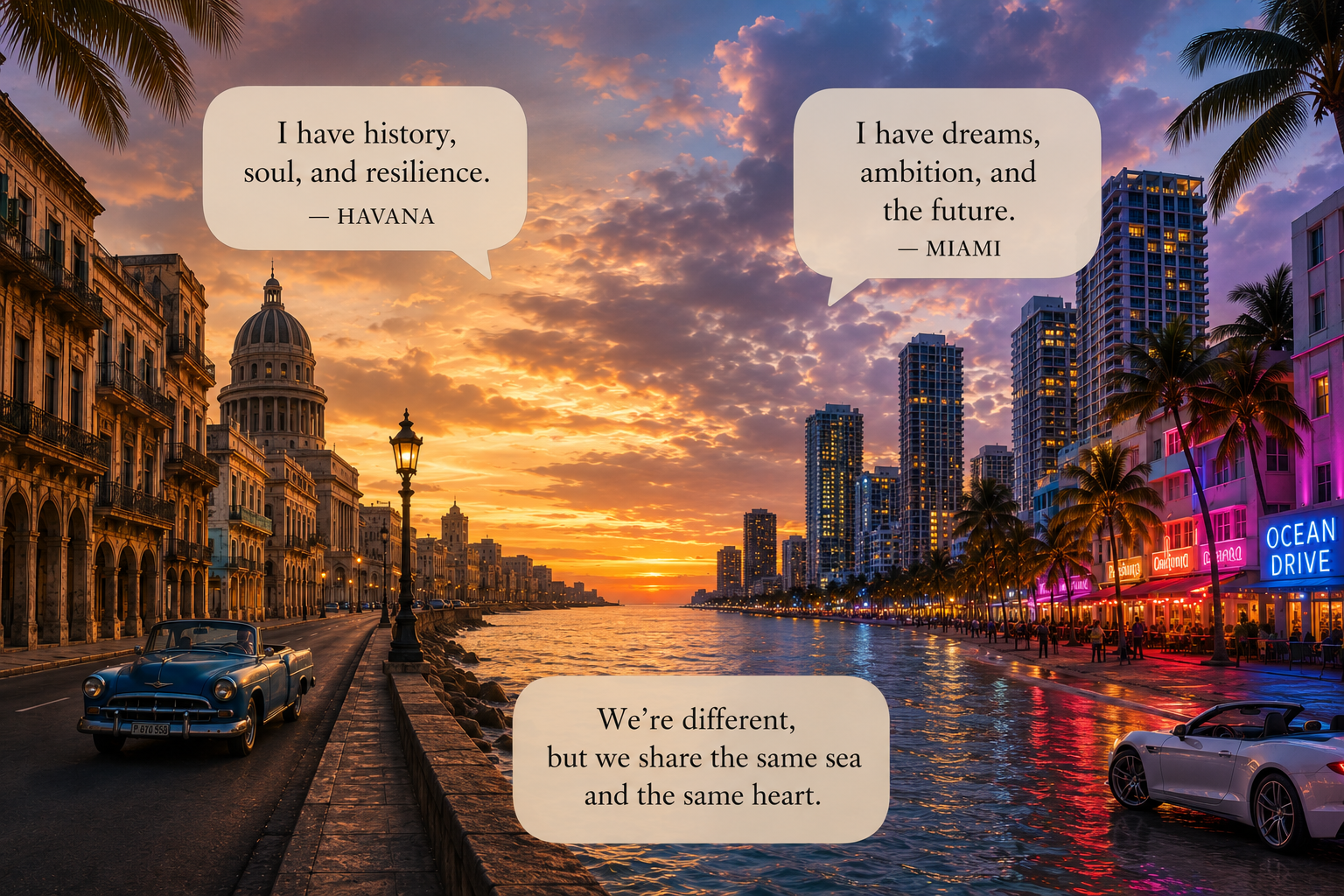
Cuba Libre
I grew up in Miami as the son of Cuban refugees. I write here about what sustainable transformation in Cuba would actually require — and why the conversation belongs to all Cubans.
Read the essays →